Leasing commercial office space is a strategic decision for modern businesses. It offers flexibility, cost control, and access to prime locations. Whether you are a startup or an established company, leasing helps you scale efficiently. Moreover, it reduces long-term financial risk. As business environments continue to evolve, companies increasingly prefer leasing over ownership. Therefore, understanding the process is essential for sustainable growth.
Why Leasing Commercial Office Space Makes Sense
Leasing commercial office space provides several advantages. First, it requires less upfront investment. Unlike purchasing property, leasing eliminates the need for large capital outlays. As a result, businesses can invest more in operations, hiring, and marketing.
Additionally, leasing offers flexibility. Companies can relocate or expand as their needs change. For example, a growing business can upgrade to a larger office without major financial strain. Similarly, downsizing becomes easier during slow periods. Therefore, leasing supports adaptability.
Types of Commercial Office Spaces Available
Selecting the right type of office is crucial. Different options suit different business needs. Therefore, understanding these categories helps in making informed decisions. Moreover, choosing the right
Office Leasing Tips type directly impacts productivity, employee satisfaction, and overall business performance.
Traditional Office Space
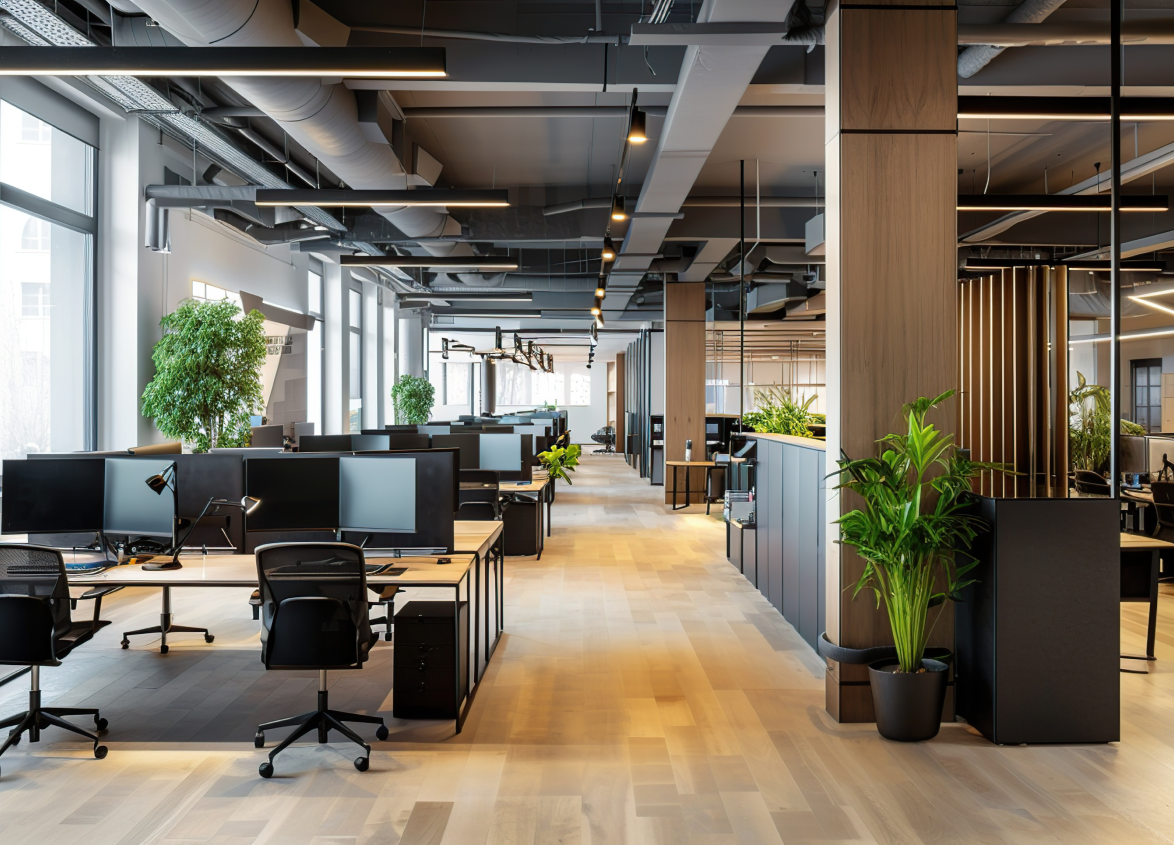
Traditional office spaces usually come with long-term leases. They provide stability, privacy, and allow customization for brand identity. However, they often require a higher investment and a longer commitment. Additionally, they are commonly located in prime business areas, which enhances credibility and professional image.
Coworking and Flexible Spaces
Coworking spaces are cost-effective and flexible. They encourage collaboration and offer amenities such as internet access and meeting rooms, making them ideal for startups and freelancers. Moreover, flexible plans allow businesses to scale easily as their teams grow or change.
Serviced and Virtual Offices
Serviced offices are fully equipped and ready to use, saving time and setup costs. They also include support services, which improve efficiency. Meanwhile, virtual offices offer a business address without physical space, making them ideal for remote businesses and helping reduce operational costs.
Key Factors to Consider Before Leasing
Leasing commercial office space requires careful evaluation. Several factors directly influence the decision. Therefore, businesses must thoroughly assess these elements. Additionally, a well-informed decision helps avoid long-term financial and operational challenges.
Location and Accessibility
Location plays a significant role in business success. A well-connected office improves employee convenience and client access. Moreover, it enhances brand visibility and credibility. Therefore, choosing a strategic location is essential.
Additionally, proximity to public transport, restaurants, and other facilities improves employee satisfaction. As a result, businesses can attract and retain talent more effectively. Furthermore, a prime location often leaves a positive impression on clients.
Budget and Overall Expenses
Budget planning involves more than just rent. Additional costs include utilities, maintenance, parking fees, and service charges. Therefore, calculating total expenses helps avoid financial surprises.
Moreover, businesses should plan for future cost increases. Rent escalation clauses may affect long-term budgeting. Therefore, understanding all financial commitments ensures better planning and stability.
Understanding Lease Agreements in Detail
Lease agreements define the legal relationship between landlords and tenants. Therefore, understanding their structure is critical. Additionally, having clarity on lease terms helps prevent disputes and ensures a smooth leasing experience.
Gross Lease vs Net Lease
In a gross lease, landlords cover most operational expenses. This simplifies budgeting for tenants. However, rent may be slightly higher due to the included services.
In contrast, a net lease requires tenants to pay additional costs. These may include property taxes, insurance, and maintenance fees. Therefore, businesses must evaluate the total cost before making a decision.
Lease Duration and Flexibility
Lease duration affects business flexibility. Short-term leases offer adaptability and allow companies to respond to market changes quickly. Meanwhile, long-term leases provide stability and predictable costs.
Therefore, businesses should align lease terms with their growth strategies. For example, startups may prefer shorter leases, while established companies may benefit from long-term agreements.
Benefits of Leasing Over Buying Office Space
Leasing commercial
Office Space for Lease offers multiple benefits compared to buying. First, it reduces financial pressure by allowing businesses to avoid large down payments and maintain stable cash flow.
Second, leasing provides access to prime locations that may be too expensive to purchase.
Third, it allows easy relocation as business needs evolve, supporting growth and expansion.
Additionally, landlords often handle maintenance, improving efficiency and allowing businesses to focus on core operations. Top of Form Bottom of Form
Common Mistakes to Avoid When Leasing
Leasing commercial office space can be complex. However, avoiding common mistakes ensures better outcomes. Additionally, careful planning reduces risks and improves long-term satisfaction with the chosen office space.
Ignoring Hidden Costs
Many businesses focus only on base rent. However, additional expenses can significantly increase total costs. These may include maintenance charges, parking fees, and utility bills. Therefore, considering all charges is essential.
Moreover, failing to account for these costs can disrupt financial planning. As a result, businesses may face unexpected financial pressure. Therefore, a detailed cost breakdown is necessary before signing a lease.
Not Reviewing Lease Terms Properly
Lease agreements contain critical details. Ignoring them can lead to financial or legal issues. Therefore, reviewing every clause carefully is necessary.
Additionally, businesses should pay attention to termination clauses, renewal options, and rent escalation terms. As a result, they can avoid disputes and maintain flexibility.
Choosing the Wrong Office Size
Overestimating space needs increases costs unnecessarily. On the other hand, insufficient space can affect productivity and employee comfort. Therefore, selecting the right size is crucial.
Furthermore, businesses should consider future growth. Choosing a slightly flexible space can help accommodate expansion without immediate relocation.
The Role of Negotiation in Leasing Deals
Negotiation plays a key role in leasing commercial office space. Many lease terms are flexible. Therefore, effective negotiation can lead to better deals. Tenants can negotiate rent, lease duration, maintenance responsibilities, and additional benefits. Moreover, landlords may offer incentives such as rent-free periods or fit-out allowances. As a result, businesses can reduce costs and improve lease conditions. Additionally, working with experienced real estate professionals can strengthen negotiation outcomes.
Future Trends in Commercial Office Leasing
The commercial real estate sector continues to evolve. Therefore, businesses must stay informed about emerging trends. Additionally, adapting to these trends can provide a competitive advantage in the market.
Growth of Flexible Workspaces
Flexible offices are becoming increasingly popular. Businesses prefer adaptable environments that support hybrid work models. Therefore, demand for coworking spaces continues to rise.
Additionally, flexible workspaces allow companies to optimize costs. They provide scalability without long-term commitments. As a result, they are ideal for modern business operations.
Technology Integration in Offices
Modern offices include smart technology systems. These systems improve efficiency, security, and energy management. Therefore, businesses benefit from enhanced productivity and reduced operational costs.
Moreover, technology-driven offices support remote collaboration. As a result, teams can work seamlessly from different locations.
Focus on Sustainable Workspaces
Energy-efficient buildings reduce costs and environmental impact. Therefore, businesses are choosing green office spaces.
Additionally, sustainable offices improve brand reputation. Clients and employees increasingly value environmentally responsible practices. As a result, green buildings are gaining popularity.
How to Choose the Right Office Space
Choosing the right office requires a structured approach. First, define your business needs clearly. Consider team size, workflow, and future expansion—next, research available properties. Compare locations, pricing, and amenities. Then visit the shortlisted offices to evaluate the layouts and accessibility. Finally, review lease agreements carefully. Seeking professional guidance can help avoid costly mistakes. Therefore, a strategic approach ensures better decisions.
Final Thoughts on Leasing Commercial Office Space
Leasing commercial office space is a practical and flexible solution for businesses. It supports growth while minimizing financial risks. Moreover, it allows companies to adapt to changing market conditions. However, careful planning is essential. Businesses must thoroughly evaluate location, cost, and lease terms.
Additionally, avoiding common mistakes ensures long-term success. As the commercial real estate market evolves, leasing will remain a preferred option. Therefore, making informed decisions will help businesses achieve sustainable growth.
FAQs About Leasing Commercial Office Space
1. What is leasing commercial office space?
Leasing commercial office space means renting workspace for business use rather than buying property, offering flexibility and lower upfront costs.
2. Why is leasing commercial office space a good option for businesses?
Leasing commercial office space reduces financial risk and allows businesses to invest more in growth, operations, and team expansion.
3. How much does leasing commercial office space cost?
The cost of leasing commercial office space depends on location, size, and amenities, as well as additional expenses such as maintenance and utilities.
4. What should I consider before leasing commercial office space?
Before leasing commercial office space, consider location, budget, lease terms, and future business growth needs.
5. Is leasing commercial office space better than buying?
Leasing commercial office space is often better for flexibility and lower upfront costs, while buying is suitable for long-term investment.