Choosing the perfect office space is not just about location. However, many business owners rush this decision. As a result, they face higher costs and inefficiencies later.
In fact, the right office environment supports your team and strengthens your brand. Meanwhile, a poor choice creates stress and limits opportunities. Therefore, understanding key factors is essential before making a decision.
Understanding Your Business Needs First
Before starting your search, you must define your requirements clearly. Otherwise, you may waste both time and money. Therefore, clarity helps you focus only on suitable options. In addition, it ensures smarter decision-making.
Define Your Team Size and Structure
Start by evaluating your current team size carefully. However, you should also plan for future expansion and hiring. In addition, consider remote and hybrid work models that may reduce space needs. As a result, you can choose an office that supports both present and future growth. Furthermore, planning helps avoid frequent relocation costs. It also ensures smoother team scaling over time.
Identify Daily Operations Requirements
Every business operates differently, so your office must match your workflow. For instance, some teams require open collaboration areas, while others need quiet zones. In addition, storage and meeting needs should be considered early. As a result, the right setup improves efficiency and minimizes disruptions. Moreover, a well-planned workspace supports faster task completion. It also enhances overall team coordination and communication.
Location Matters More Than You Think
Location influences both productivity and brand image. Therefore, choosing the right area is critical. In fact, it affects employees, clients, and accessibility. As a result, a strategic location adds long-term business value.
Accessibility for Employees
Employees need convenient access to the office to stay motivated and productive. Otherwise, long and stressful commutes can reduce efficiency over time. In addition, good transport links improve punctuality and attendance. Therefore, a well-connected location supports a more consistent and productive workforce. Furthermore, it helps reduce employee fatigue and burnout. This leads to better job satisfaction and retention.
Convenience for Clients
Clients prefer offices that are easy to locate and reach without confusion. For example, central or well-known areas create a strong first impression. In addition, smooth access builds trust and professionalism. As a result, it strengthens long-term relationships and improves client satisfaction. Moreover, a convenient location encourages more client visits. This can directly support business growth and opportunities.
Budget Planning for the Perfect Office Space
Proper budgeting ensures financial stability. However, many overlook additional costs beyond rent. Therefore, planning prevents financial stress. In addition, it helps you choose a space within your limits.
Calculate Total Occupancy Costs
Office expenses include more than just monthly rent, so full planning is necessary. For instance, utilities, maintenance, and internet costs add up quickly. In addition, parking, security, and service fees increase overall expenses. As a result, calculating total costs helps avoid unexpected financial pressure. Furthermore, clear budgeting improves financial control. It also allows better long-term investment planning.
Choosing the Right Office Layout
Office layout directly impacts daily performance. Therefore, it should match your work style. In fact, a smart design improves collaboration and focus.
Open vs Private Spaces
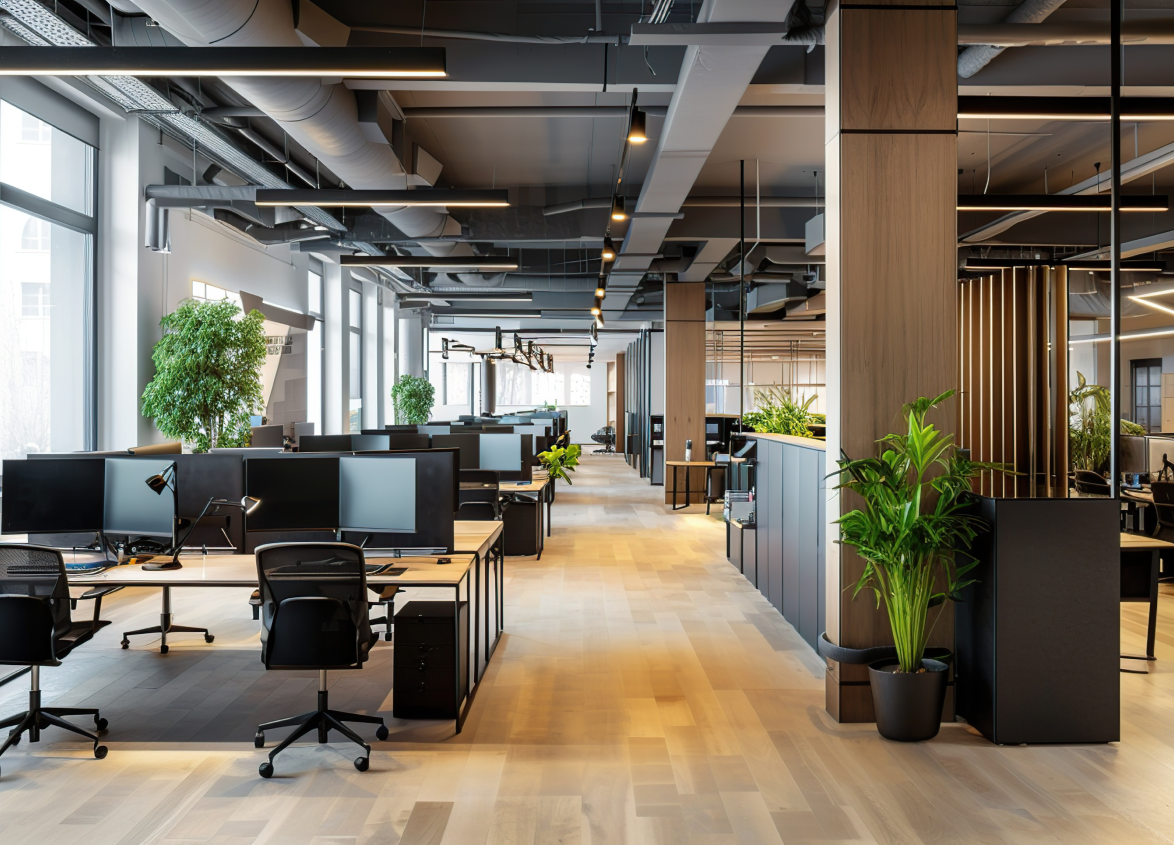
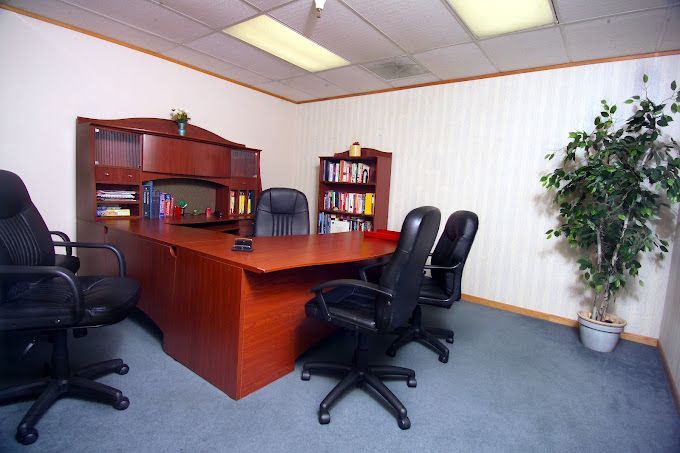
Open offices encourage teamwork, communication, and idea sharing among employees. However, they may reduce privacy and focus on tasks that require deep concentration. Meanwhile, private offices offer quiet environments for focused work. Therefore, a balanced mix of both layouts works best for most businesses. In addition, flexible layouts can adapt to different work styles. This ensures both collaboration and productivity are maintained.
Technology and Infrastructure Requirements
Modern offices depend heavily on strong infrastructure systems. Poor technology can slow down operations and affect productivity. Therefore, reliable systems are essential for smooth workflows. In addition, proper setup reduces downtime and technical disruptions.
Reliable Internet and Power Systems
Fast and stable internet is essential for daily business operations. Without it, communication and workflow can suffer major delays. In addition, consistent power supply and backup systems prevent interruptions. Moreover, strong infrastructure supports digital tools and remote work. This ensures consistent performance across all operations.
Employee Comfort and Productivity
Employee well-being is crucial for long-term productivity and satisfaction. Therefore, your office should focus on comfort and a healthy environment. In fact, a well-designed space improves morale and efficiency. As a result, employees remain motivated and engaged.
Ergonomic and Wellness Features
Proper lighting helps reduce eye strain and improves overall focus at work. Meanwhile, good ventilation ensures a healthy and fresh environment. In addition, ergonomic furniture supports posture and reduces health issues. As a result, employees feel comfortable and perform at their best daily. Furthermore, a well-designed workspace can boost mood and reduce stress levels. This ultimately leads to higher productivity and better overall job satisfaction.
Conclusion: Secure the Perfect Office Space with Confidence
Choosing the perfect office space requires careful planning and evaluation. It is not just about a workplace, but an environment that supports productivity, growth, and brand identity. Therefore, factors like location, layout, budget, and infrastructure must be considered.
In addition, aligning your office with business goals ensures long-term success. A well-chosen space improves efficiency, enhances client experience, and supports growth. Ultimately, it becomes a strong foundation for your business future.
Perfect Office Space – FAQs
1. What is the perfect office space for a business?
The perfect office space matches your business needs, team size, and goals. It supports productivity and reflects your brand. Therefore, it should balance functionality, location, and cost.
2. How do I choose the perfect office space for my company?
Start by identifying your requirements clearly. Then, evaluate location, budget, and layout options. As a result, you can select the perfect office space that supports growth.
3. Why is location important when selecting the perfect office space?
Location affects accessibility for employees and clients. In addition, it impacts your business image. Therefore, a good location is essential.
4. What factors define a perfect office space?
Key factors include location, layout, cost, and infrastructure. In addition, comfort and scalability also matter. Therefore, these elements together create the perfect office space.
5. How much should I budget for the perfect office space?
Your budget should include rent and additional costs. For example, utilities, maintenance, and internet are important. Therefore, planning helps you afford the perfect office space without stress.