In today’s fast-changing business landscape, work environments are evolving rapidly. Companies are moving beyond traditional office setups and embracing shared office environments. These spaces provide flexibility, cost savings, and enhanced opportunities for collaboration. This blog delves into the
Office Space for Rent in Fairfield, offering insights into why more businesses are choosing this modern approach.
What Is a Shared Office Environment?
A shared office environment, often called a coworking space, is a workspace where multiple businesses, freelancers, or remote professionals use the same office infrastructure. These spaces come fully equipped with desks, meeting rooms, high-speed internet, and other essential amenities. Unlike traditional offices, shared spaces offer flexible rental options, allowing organizations to avoid long-term lease commitments. This flexibility is a key
advantage of shared office space, enabling companies to scale up or down as needed. Businesses pay only for the space they use, making it an ideal solution for startups and small enterprises.
Cost Efficiency and Reduced Overheads
One of the most significant
advantages of shared office space is cost savings. Traditional offices come with high rental costs, utility bills, maintenance expenses, and furniture investments. Shared offices bundle all these expenses into a single, manageable fee.
Moreover, businesses save on overheads like electricity, cleaning, and security. By sharing these costs with other tenants, companies reduce financial strain. Transitioning to a shared office environment is often cheaper than maintaining a private office, especially in urban locations where rent is high.
Flexibility and Scalability
Shared office environments provide unmatched flexibility. Businesses can rent a single desk, a private office, or a larger suite, depending on their requirements. This scalability is ideal for growing teams or seasonal projects.
Furthermore, short-term leases allow companies to avoid being locked into long contracts. If a business expands rapidly, it can secure additional desks or rooms within the same building. Conversely, if downsizing is necessary, reducing office space is simple.
This adaptability is another key advantage of shared office space
that attracts startups, freelancers, and even established businesses.
Enhanced Collaboration Opportunities
Shared office environments are more than just cost-effective spaces; they are designed to foster collaboration. By working alongside professionals from different industries, employees have the chance to exchange ideas and knowledge.
Networking becomes easier when diverse teams interact daily. Informal conversations in lounges or communal areas can lead to partnerships, mentorship opportunities, or even client leads. This open ecosystem enhances creativity and innovation. Collaboration is a core advantage of shared office space, particularly for businesses seeking inspiration and new ideas.
Access to Modern Facilities and Technology
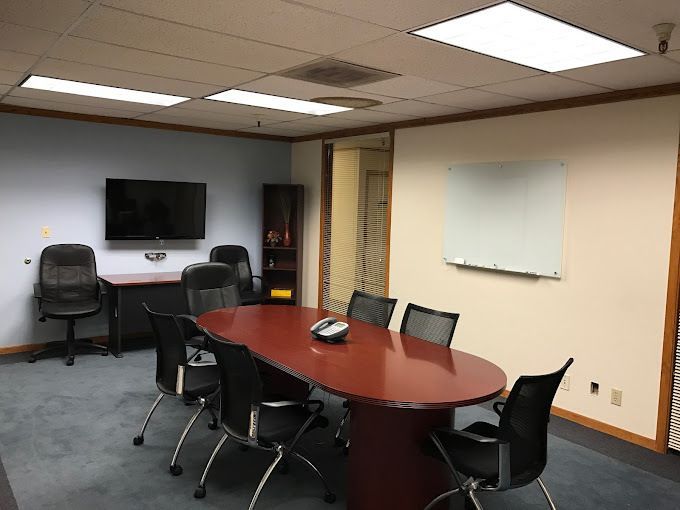
Another significant benefit is access to modern office infrastructure. Shared spaces are usually equipped with high-speed internet, printers, scanners, conference rooms, and other office essentials. Many also provide additional perks such as coffee stations, ergonomic furniture, and event spaces.
Investing in these facilities independently can be costly and time-consuming. Shared offices eliminate this challenge by offering ready-to-use, fully equipped workspaces. This ensures employees can focus on productivity instead of managing logistics. Technology-enabled facilities are a major
advantage of shared office space, particularly for businesses that rely on seamless connectivity and tools.
Improved Work-Life Balance
Shared office environments often focus on employee comfort and satisfaction. Ergonomic workstations, break areas, recreational zones, and even wellness programs contribute to a better work-life balance.
When employees feel comfortable and motivated, productivity naturally increases. Moreover, flexible working hours in many shared offices allow staff to work according to their schedules. This balance reduces stress and enhances overall job satisfaction, making shared offices highly appealing for modern workforces.
Location Benefits
Shared offices are typically situated in prime business districts or central urban locations. This gives companies access to convenient transport links, clients, and networking opportunities.
Being in a strategic location can improve visibility and brand reputation. Employees also benefit from shorter commutes, reducing travel time and fatigue. For many businesses, location is critical, and the
advantages of shared office space include access to prestigious areas without bearing exorbitant rental costs.
Encourages Productivity
A shared office environment is designed to boost productivity. Quiet zones, private booths, and collaborative areas ensure employees have the right space for focused work or teamwork.
Unlike working from home, where distractions are common, shared offices create a professional atmosphere that motivates staff. With structured routines, proper amenities, and peer encouragement, productivity levels often surpass those of traditional or home-based setups. This structured environment is another
advantage of shared office space that drives business efficiency.
Opportunities for Networking and Growth
Shared office environments are ideal for networking. Professionals from different industries work together under one roof, opening the door to new business opportunities. Many shared offices host workshops, seminars, and community events, offering additional ways to learn, collaborate, and expand connections. For startups and small businesses, these networking possibilities are particularly valuable. Being part of a collaborative community helps companies increase visibility, attract clients, and form strategic partnerships. In today’s competitive market, networking remains one of the most significant
Flexible Office Spaces.
Eco-Friendly and Sustainable Practices
Many shared office spaces prioritize sustainability. They incorporate energy-efficient lighting, shared equipment, and waste reduction practices. By pooling resources, businesses help lower their overall carbon footprint. This eco-friendly approach resonates with environmentally conscious companies and employees alike. Sustainability is not only responsible but also cost-effective, allowing businesses to adopt green practices without significant infrastructure investment. Participating in a sustainable workspace is a subtle yet meaningful
advantage of shared office space that modern businesses highly value.
Access to a Professional Environment
Shared office environments provide a professional setting for meetings and client interactions. Instead of meeting clients in cafes or at home, companies can use fully equipped meeting rooms. A professional workspace enhances business credibility. It shows clients that a company is serious, organized, and efficient. This is particularly valuable for startups trying to build trust and establish a reputation. Professionalism is yet another core
advantage of shared office space, helping businesses maintain a strong image.
Conclusion on Advantages of Shared Office Space
The shift toward shared office environments is reshaping the modern workplace. From cost savings and flexibility to collaboration and networking, the
advantages of shared office space
are evident. Businesses of all sizes can benefit from reduced overheads, access to prime locations, and a professional, productive environment.
In a world where adaptability and innovation are crucial, shared office spaces provide the perfect solution. They combine efficiency, convenience, and opportunities for growth, making them an attractive choice for startups, freelancers, and established companies alike.
FAQs on Advantages of Shared Office Space
1. What key benefits does shared office space offer?
Shared office space offers cost savings, flexibility, modern facilities, networking opportunities, and a professional work environment for businesses of all sizes.
2. How does shared office space reduce costs?
By sharing resources like internet, utilities, meeting rooms, and office equipment, businesses pay only for what they use, eliminating high overhead expenses.
3. Can shared office space help improve productivity?
Yes, shared office environments are designed to provide professional work areas, quiet zones, and collaboration spaces, which help employees stay focused and productive.
4. Is shared office space suitable for startups?
Absolutely. Startups benefit from the flexibility, reduced costs, networking opportunities, and access to modern office infrastructure without long-term leases.
5. How does shared office space encourage collaboration?
Working alongside professionals from diverse industries fosters idea-sharing, partnerships, and informal networking, which can lead to business growth.