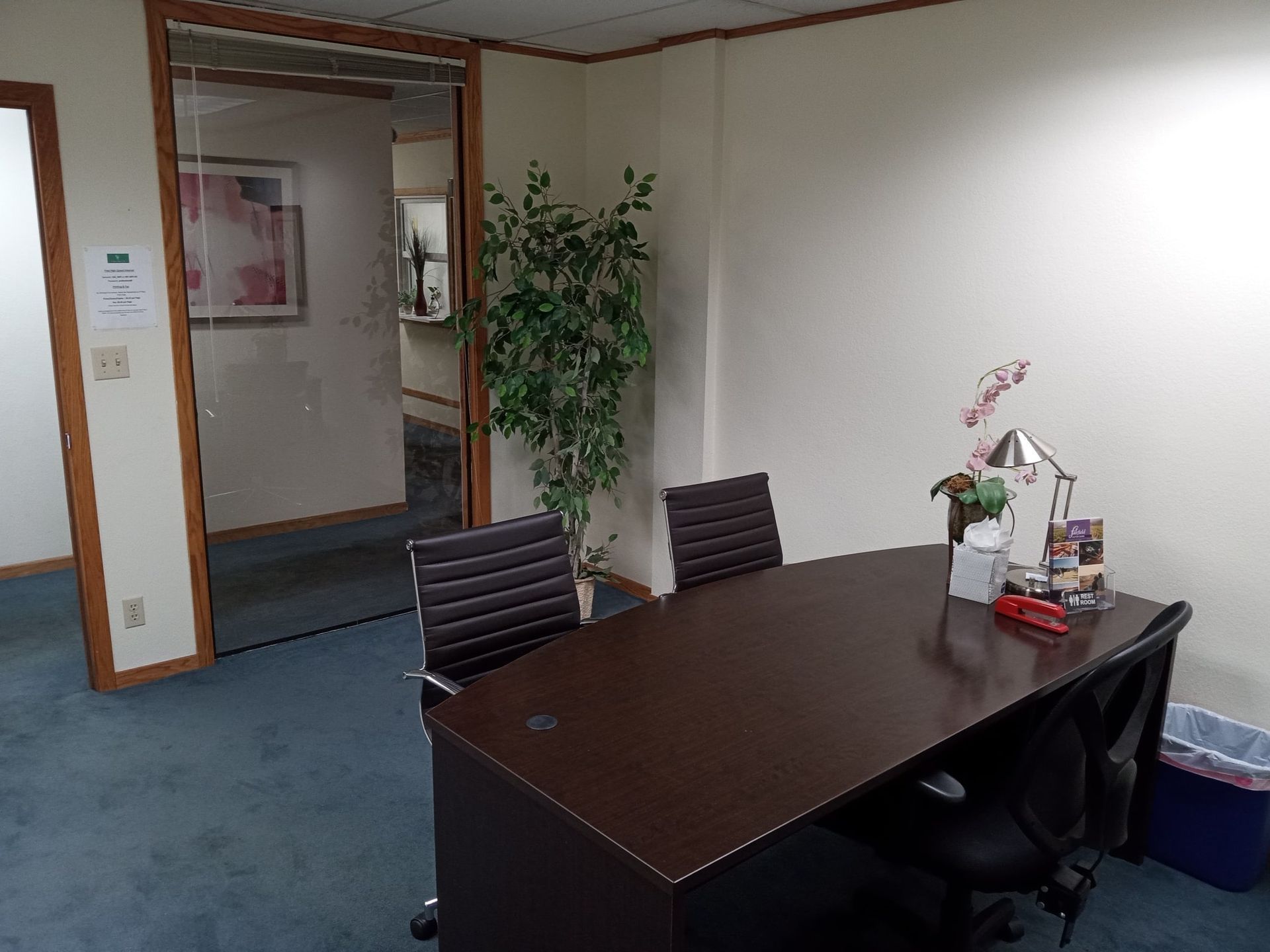
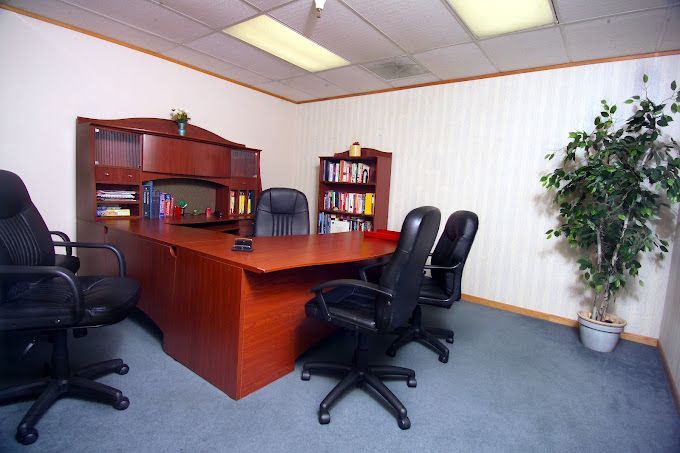
Looking for office space near you? The commercial real estate market offers countless options, yet finding the right
Office for Lease near me can feel overwhelming. We'll cover everything from lease types and costs to location and amenities. Moreover, you’ll learn how to evaluate spaces efficiently and avoid common leasing pitfalls. In addition, we’ll offer strategies for negotiating favourable terms. By the end, you’ll be equipped to secure an office that meets your needs and supports business growth.
Why Leasing an Office Makes Business Sense
Leasing an office often makes more sense than purchasing, especially for growing businesses searching for an
Office for Lease near me. First, leasing avoids massive upfront capital expenditures, freeing cash for operations and investment. Additionally, lease payments are usually tax-deductible, reducing your overall costs. Furthermore, leasing offers flexibility—you can scale up or down as your business evolves. Landlords typically handle property maintenance, letting you focus on core operations. In short, leasing balances cost-efficiency with operational freedom, making it a practical choice for most businesses.
Understanding Different Types of Office Spaces
Before signing a lease, it’s essential to understand the various types of office spaces available when searching for an
Office for Lease near me, as each caters to different business needs. From traditional suites to coworking environments and executive offices, knowing the distinctions helps you choose a space that aligns with your team size, work style, and long-term goals.
Traditional Office Suites
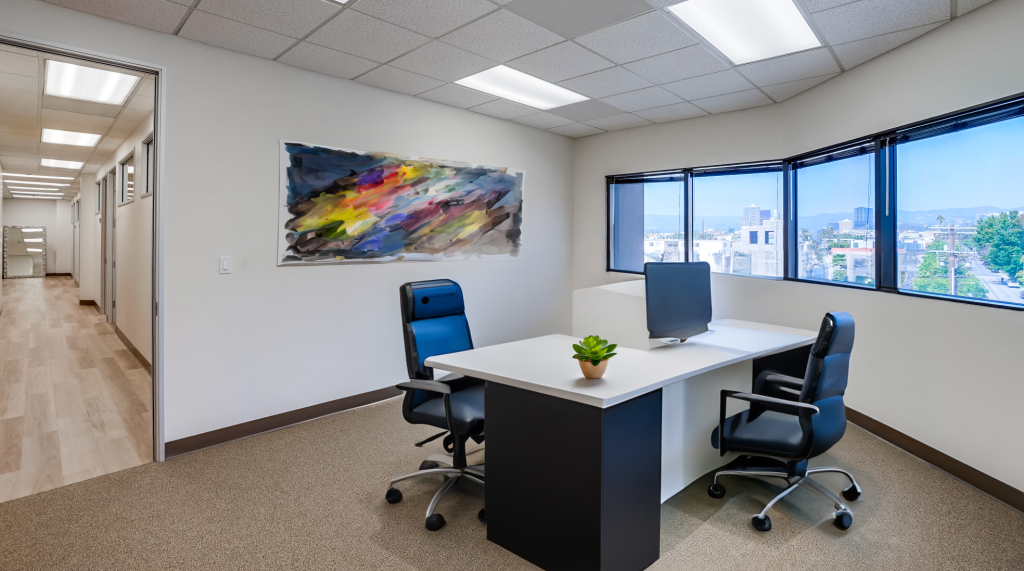
Traditional office suites offer private offices, shared areas, and standard amenities. These spaces are ideal for companies needing a professional image for clients while seeking an
Office for Lease near me. Moreover, dedicated parking and reception areas enhance convenience. Traditional offices suit organisations that prefer stability and a structured environment.
Coworking Spaces
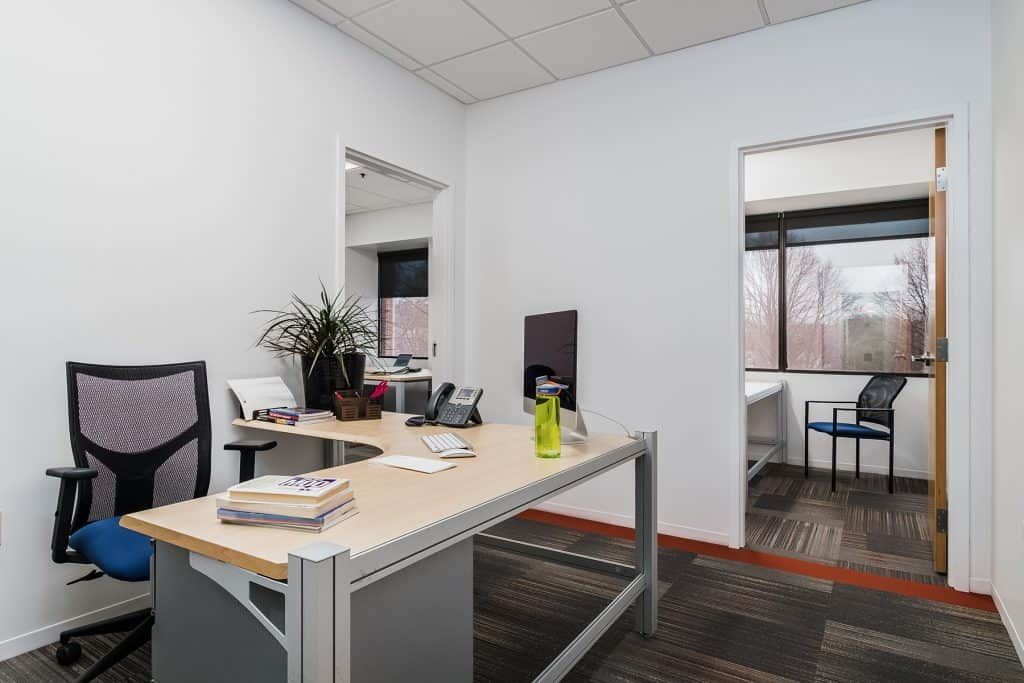
Coworking spaces have transformed the office market, especially for startups and freelancers looking for an
Office for Lease near me. They provide flexible leases, all-inclusive services, and networking opportunities. Additionally, utilities, internet, and common areas are bundled into monthly fees, making budgeting predictable. Coworking spaces are ideal for teams that want a collaborative environment without being tied to long-term commitments.
Executive Suites
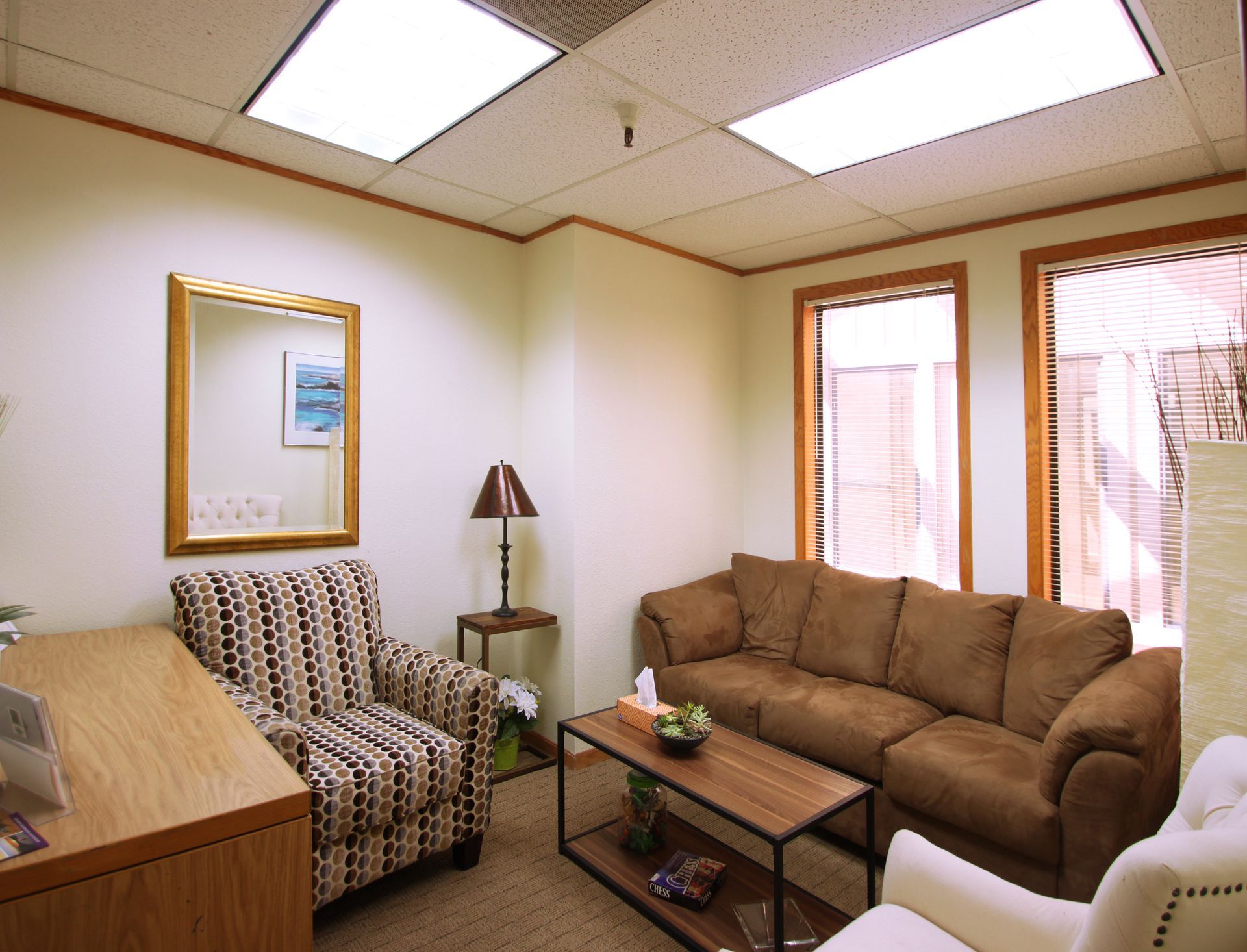
Executive suites are premium office solutions often found when searching for an
Office for Lease near me. They include furnished offices, reception services, and virtual office options. Entrepreneurs and small teams benefit from the professional environment and administrative support. These offices enhance credibility when meeting clients and provide hassle-free operations.
Key Factors to Consider When Leasing Office Space
Key factors to consider when leasing office space
near you include location, accessibility, and the overall suitability of the workspace for your team’s daily operations. Evaluating lease terms, hidden costs, amenities, and future scalability ensures you choose the right
Office for Lease near me that supports long-term business growth.
Location and Accessibility
Location is critical. Evaluate how close the office is to your target market and suppliers. Consider access to public transit and parking for employees and clients. Check neighbourhood safety and nearby amenities, such as restaurants or gyms. Additionally, research potential growth in the area—choosing the correct location can impact long-term success.
Budget and Lease Terms
Budgeting ensures you avoid financial strain. Start by defining your maximum monthly spend. Understand the difference between gross and net leases and which expenses are included. Pay attention to lease duration, renewal options, and escalation clauses.
Space Layout and Amenities
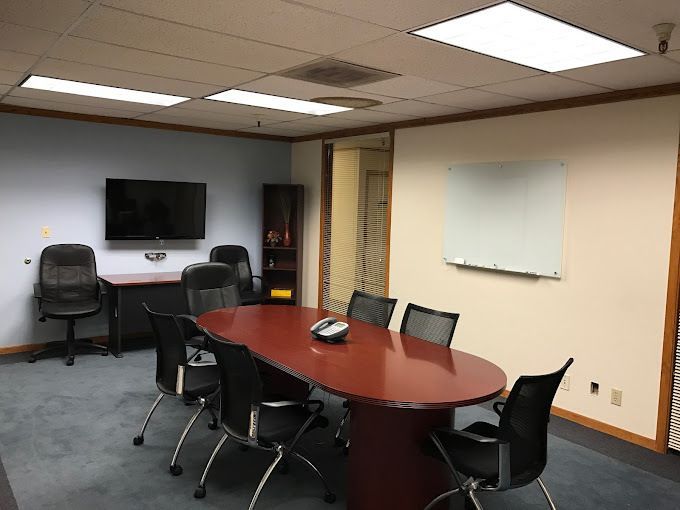
The layout influences productivity and employee satisfaction. Look for natural light, ventilation, and technological infrastructure. Consider conference rooms, break areas, and storage. A well-planned layout supports workflow and enhances efficiency.
Lease Terms You Must Understand
Before committing to an
Office for Lease near
or
Find Office Space for Lease, it’s crucial to understand the key lease terms, as they directly affect costs and flexibility. Knowing details such as base rent, additional fees, lease duration, and renewal options helps you make an informed decision and avoid unexpected financial or operational challenges.
Base Rent and Additional Costs
Base rent is just the beginning. Standard area maintenance fees, property taxes, and insurance may also apply. Clarify what expenses are included in rent. Understanding total occupancy costs is essential to avoid surprises.
Lease Duration and Renewal Options
Lease length affects flexibility. Short-term leases allow adjustments but may cost more per month. Long-term leases offer stability and predictability but reduce flexibility. Always review renewal terms and potential rent increases.
Tenant Improvements and Maintenance
Determine whether the landlord permits space modifications and understand the approval process in detail. Tenant improvement allowances can significantly reduce the costs of remodeling and customizing the office to fit your business needs. Clearly knowing which responsibilities fall on you versus the landlord helps you plan your budget, avoid unexpected expenses, and set realistic expectations for the project.
How to Evaluate an Office for Lease
Evaluating an
Office for Lease near me involves more than just checking the price—it requires a thorough assessment of the space’s condition, layout, and amenities. By carefully inspecting the property, considering the neighbourhood, and analysing accessibility for both employees and clients, you can ensure the office meets your operational needs and supports business growth.
Physical Inspection
It’s essential to visit the property in person to thoroughly assess its condition, natural lighting, noise levels, and overall environment. Additionally, inspect critical infrastructure, including HVAC systems, plumbing, and electrical wiring, to ensure the space is both functional and visually appealing for your team and clients.
Neighborhood Assessment
It’s essential to observe the surrounding area at different times of the day to get a complete picture of traffic flow, noise levels, and activity. Assess nearby businesses, amenities, and overall safety, as a vibrant, well-connected neighbourhood can enhance employee satisfaction, client impressions, and the overall appeal of your office location.
Accessibility for Employees and Clients
Accessibility plays a crucial role in your business's efficiency, as difficult commutes or limited parking can affect employee punctuality and client visits. Carefully evaluate public transportation options, parking availability, and local traffic patterns to ensure the office location supports smooth daily operations and a positive experience for both staff and visitors.
Negotiating Your Lease Effectively
Successfully negotiating your
Office for Lease near me can save your business significant money and provide greater flexibility. By researching comparable properties, discussing key terms such as rent, renewal options, and tenant improvements, and seeking professional guidance when needed, you can secure favourable terms that align with your budget and long-term goals.
Research Comparable Spaces
Before entering lease negotiations, research market rates for similar office properties in the area to understand what constitutes fair pricing. Having this information strengthens your negotiating position, as landlords are more likely to consider rent adjustments, lease terms, or additional benefits when you can present precise, competitive data supported by current market trends.
Negotiate Key Terms
Negotiating your office lease, carefully review and discuss key terms such as base rent, escalation clauses, renewal options, and tenant improvement allowances. Securing flexibility or concessions on these aspects not only reduces immediate costs but can also provide long-term financial benefits, improve cash flow, and allow your business to adapt more easily as it grows.
Leverage Professional Assistance
Leverage professional assistance to navigate complex leasing terms with confidence. Experts understand market trends, identify hidden costs, and negotiate stronger agreements on your behalf. Their guidance helps you secure the right office space while reducing financial and legal risks.
Common Mistakes to Avoid When Leasing Office Space
Leasing an
Office near me can be complex, and making mistakes can be costly. Being aware of common pitfalls—such as underestimating total costs, ignoring lease flexibility, overlooking location factors, or skipping property inspections—helps you make informed decisions and secure a space that truly fits your business needs.
Ignoring Total Costs
Don’t focus solely on the base rent when evaluating an office for lease. Be sure to account for all additional expenses, including utilities, property taxes, maintenance fees, and common-area charges. Overlooking these costs can quickly strain the budget and create unexpected financial pressure, so carefully calculating total occupancy expenses is essential for making a well-informed leasing decision.
Overlooking Lease Flexibility
Signing a rigid lease without flexibility can limit your ability to grow or downsize as your business evolves. Always ensure that the lease terms allow for adjustments, such as expanding into additional space, reducing square footage, or modifying lease duration, so your office can adapt to changing operational needs without incurring high costs or disruption.
Neglecting Location Considerations
Choosing the wrong location can negatively affect employee morale and make it harder for clients to reach you. Always research the area thoroughly and visit in person before committing to a lease to ensure it meets both operational and accessibility needs.
Failing to Inspect the Property
Hidden problems such as poor ventilation, structural damage, or outdated electrical systems can lead to unexpected repair costs and operational disruptions. Conduct thorough inspections of the office space before signing a lease to identify potential issues and ensure the property is safe, functional, and suitable for your business needs.
Tips for Finding the Right Office for Lease
Finding the right
Office for Lease near me requires a strategic approach to ensure the space meets both current and future business needs. By leveraging multiple search channels, prioritising essential requirements, planning for growth, and comparing options, you can identify a space that effectively balances functionality, location, and budget.
Use Multiple Sources
When searching for an office for lease, explore multiple sources to ensure you find the best fit. Look at online commercial real estate listings and specialised platforms, and connect with local brokers who have in-depth market knowledge. Expanding your search in this way allows you to compare a broader range of options, evaluate pricing trends, and identify spaces that meet both your operational needs and budget requirements.
Prioritise Needs vs. Wants
When evaluating office spaces for lease, prioritise your essential requirements first, such as adequate square footage, layout, and location. While extra amenities such as a gym, lounge areas, or high-end finishes can be attractive, they should not compromise the workspace's core functionality. Ensuring that your office meets the fundamental needs of your team and business operations will create a productive environment without unnecessary distractions or added costs.
Plan for Future Growth
Choose a space that not only meets your current needs but also allows room for future expansion. Consider additional workstations, conference rooms, and storage areas that may be needed as your team grows. Planning for long-term needs helps you avoid the disruption and costs associated with frequent relocations, ensuring your business can continue to operate smoothly as it scales.
Visit Multiple Properties
Visiting multiple office spaces for lease provides a valuable perspective and allows you to make well-informed decisions. By comparing different options, you can objectively evaluate factors such as overall value, office layout, available amenities, natural lighting, and technological infrastructure. Seeing a variety of spaces also helps you identify which features are truly essential for your business and which are nice-to-have extras, ensuring that your final choice aligns with both operational needs and budget considerations.
Conclusion on Office for Lease
Finding the perfect
Office for Lease near me requires planning, research, and careful evaluation. From understanding lease types to negotiating terms, every step matters. By prioritising location, budget, layout, and lease conditions, you ensure your office supports both operational efficiency and growth. Remember, leasing provides flexibility, reduces upfront costs, and allows you to focus on running your business. With the right approach, you can secure a professional space that meets your needs today and tomorrow.
FAQ on Office for Lease near me
1: What does “Office for Lease near me” mean?
An Office for Lease near me is a commercial property available for rent in your local area where businesses can operate. It provides the infrastructure and facilities needed for day-to-day business activities.
2: How do I find a suitable Office for Lease near me?
You can find an Office for Lease near me by exploring real estate websites, working with commercial agents, or checking local listings. Visiting multiple options helps identify the right space for your business.
3: What are the advantages of an Office for Lease near me?
An Office for Lease near me provides flexibility, reduces costs, and gives businesses access to professional infrastructure. It allows businesses to operate without the long-term commitment of buying property.
4: What types of businesses typically seek an Office for Lease near me?
Startups, small businesses, remote teams, and expanding companies often prefer an Office for Lease near me for flexibility, affordability, and scalability.
5: Are short-term options available for an Office for Lease near me?
Yes, many providers offer short-term or flexible lease agreements for an Office for Lease near me, allowing businesses to adjust their space requirements without a long-term commitment.